All Categories
Featured
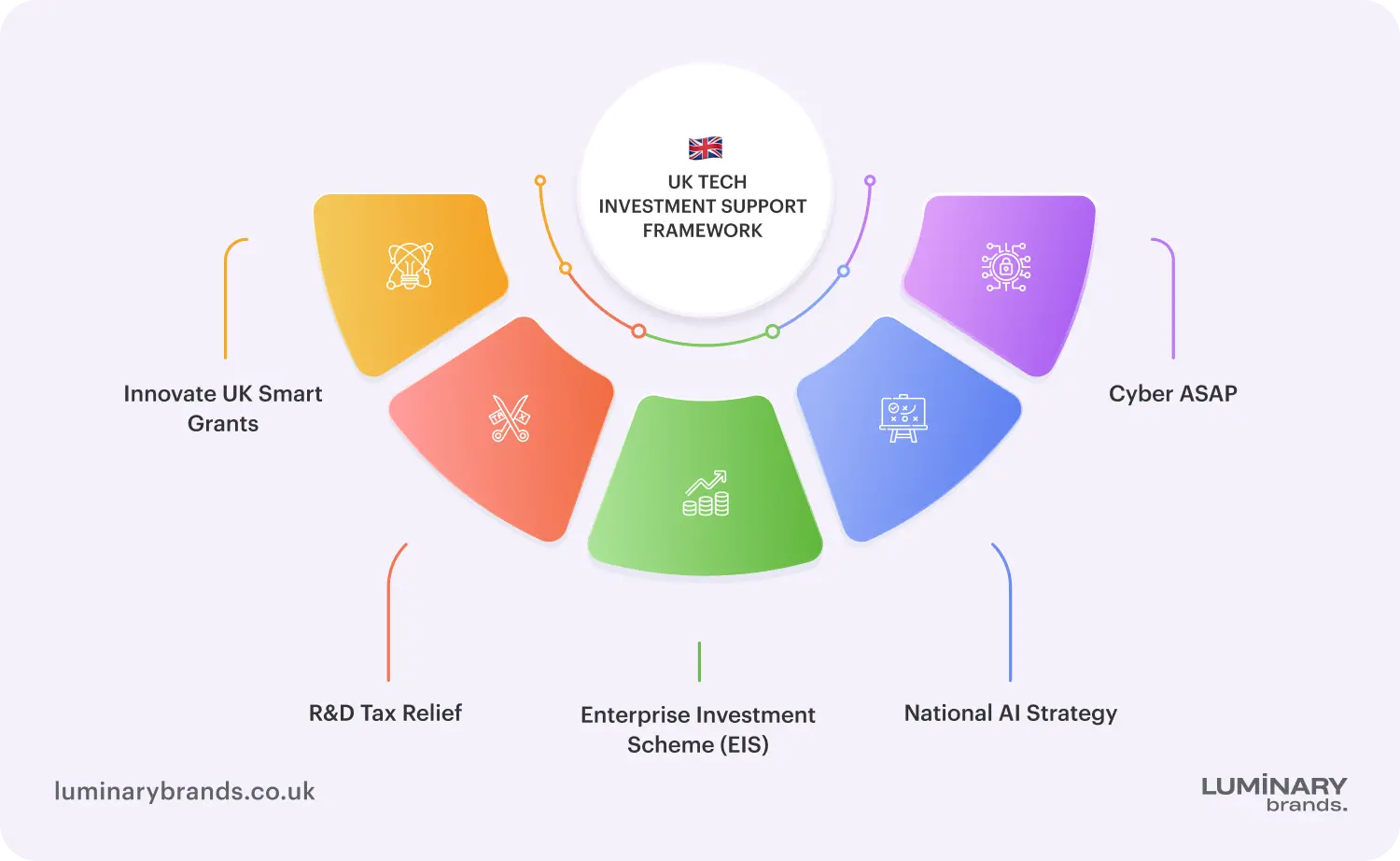
Green Funding Trends for UK Firms
Companies are learning to browse these intricacies by adopting multi-market methods, guaranteeing compliance with varied regulations, and using innovation to boost exposure across their international operations. Financial innovation is playing a critical role in modernizing trade flows. Traditional trade financing designs, often slowed by documents and intermediaries, are being changed by digital platforms that simplify transactions and enhance transparency.
Blockchain-based clever contracts and digital currencies are improving cross-border payments, minimizing deal costs, and mitigating threats related to exchange rate fluctuations. Central Bank Digital Currencies (CBDCs) are expected to get wider adoption by 2026, providing a secure and efficient way to settle worldwide deals without depending exclusively on traditional banking systems.
How UK Mid-Market Strategy Transforms for 2026Customer choices are also influencing trade patterns. Shoppers are ending up being more conscious of where items originate from, how they are made, and whether they line up with social and environmental values. This shift has actually triggered ethical trade, where transparency, fair labor practices, and sustainability are important to buying choices.
Corporate Management Strategies for the New Era
Certification programs and traceability innovations are assisting companies confirm their supply chains, guaranteeing compliance with international labor and environmental requirements. As consumers continue to demand credibility and accountability, ethical trade will become a specifying characteristic of successful worldwide brand names. The world of international trade is entering a transformative phase where durability, innovation, and sustainability take spotlight.

Latest Posts
Analyzing ESG Mandates for Modern Mid-Market Firms
Optimizing Corporate Team Models Through AI

Maximizing ROI via British Banking Vehicles